
War is often discussed in terms of politics, borders, and military strategies, but one of the biggest and longest-lasting impacts of war is on the economy. When conflicts occur between countries, the effects are not limited to the battlefield—they influence global trade, prices of essential goods, employment, and economic growth across the world.
In today’s interconnected world, even a conflict happening thousands of kilometers away can affect the daily lives of people in other countries. Understanding how wars influence economies helps us better understand global economic trends and why prices and markets behave the way they do during times of conflict.
Disruption of Global Trade
One of the first economic effects of war is the disruption of international trade. Countries involved in conflict often face damaged infrastructure, blocked trade routes, and economic sanctions. As a result, exports and imports become difficult or expensive.
For example, when major exporting countries are involved in a war, the supply of important goods such as oil, wheat, metals, or fertilizers can suddenly decrease. Since these products are traded globally, a shortage in one region can quickly affect prices around the world.
This disruption creates uncertainty in global markets, forcing businesses and governments to search for alternative suppliers or adjust their economic policies.

Rising Prices and Inflation
Wars often lead to rising prices, particularly for essential commodities such as energy and food. When supply chains are disrupted or production decreases, demand remains the same or even increases, leading to higher prices.
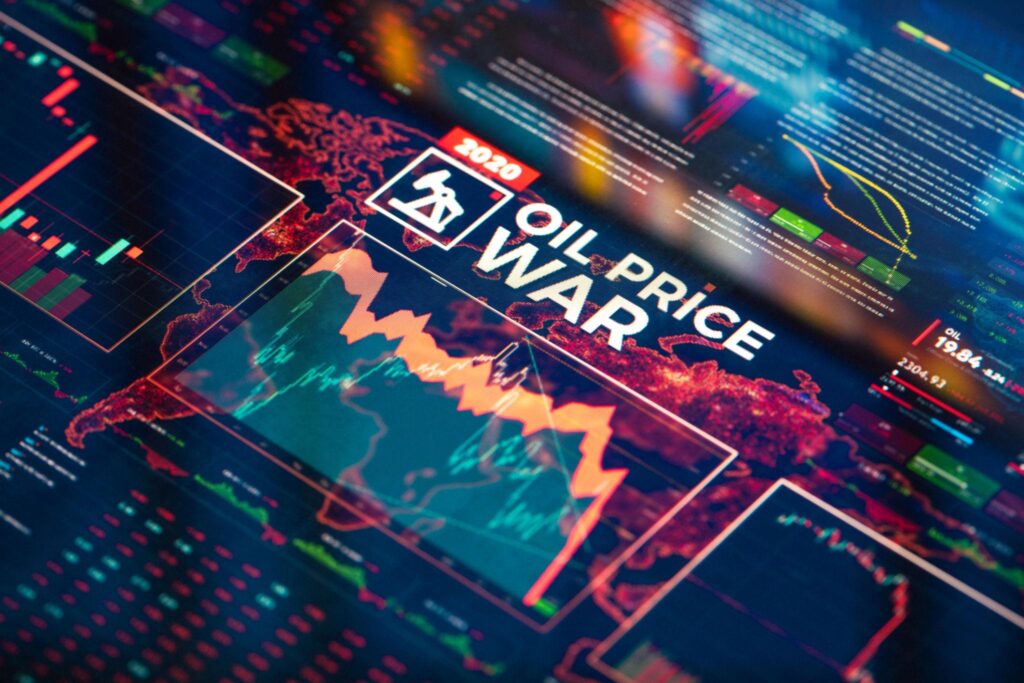
For instance, if a conflict affects major oil-producing regions, global oil prices may rise. Higher fuel costs then increase transportation expenses, which ultimately makes everyday goods more expensive for consumers. This chain reaction contributes to inflation, meaning the overall cost of living increases.
Inflation during wartime can put pressure on households, as people must spend more money on basic necessities.

Increased Government Spending
During times of war or geopolitical tension, governments tend to increase spending on defense and security. Military equipment, technology, and strategic infrastructure require significant financial resources.
While this spending can stimulate certain industries such as defense manufacturing and technology, it can also place pressure on government budgets. Countries may need to borrow more money or adjust their fiscal policies to finance these expenses.
As a result, long-term economic planning becomes more complicated during periods of global conflict.
Impact on Financial Markets
Financial markets are highly sensitive to uncertainty, and war often creates instability in global markets. Investors become cautious, stock markets may fluctuate, and currencies can experience volatility.
Businesses may delay investments or expansion plans due to uncertainty about the future. This can slow down economic growth and reduce job creation in the long run.
At the same time, some sectors such as energy, defense, and commodities may experience increased demand during periods of conflict.

Effects on Employment and Economic Growth
Wars can slow economic growth because resources that could be used for development are redirected toward military efforts. Infrastructure damage, trade disruptions, and declining investments can affect employment opportunities and industrial productivity.
However, in some cases, certain sectors may expand due to increased demand for defense equipment, logistics, and manufacturing.
The overall economic impact of war therefore varies depending on the countries involved, the duration of the conflict, and the global economic environment.
Why Understanding War Economics Is Important for Students
For students of economics, studying the relationship between war and economic systems provides valuable insights into how global markets operate under pressure.
Concepts such as inflation, supply shocks, government spending, and international trade become much clearer when analyzed through real-world events. Observing how economies respond to conflict helps students understand the complex relationship between politics, resources, and economic stability.
Conclusion
Wars are not only political or military events—they are also powerful economic forces that shape global markets and influence everyday life. From rising fuel prices to disruptions in international trade, the economic consequences of conflict can be felt across the world.
Understanding these impacts allows us to see how closely connected global economies truly are. For students and future economists, analyzing the economic effects of war provides important lessons about resilience, policy decisions, and the functioning of international markets in uncertain times.