
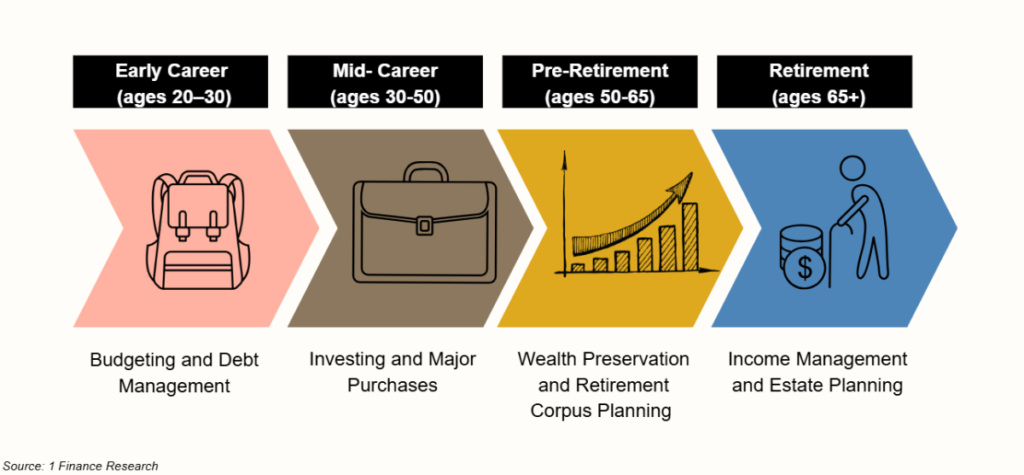
Many people think economics is only about complicated graphs, formulas, and theories taught in classrooms. However, economics is actually a part of our everyday lives. From deciding how to spend our money to understanding why the price of groceries increases, economics influences many of the choices we make daily
Why Economics Matters in Everyday Life
Many people think economics is only about complicated graphs, formulas, and theories taught in classrooms. However, economics is actually a part of our everyday lives. From deciding how to spend our money to understanding why the price of groceries increases, economics influences many of the choices we make daily.
Economics Helps Us Make Better Decisions
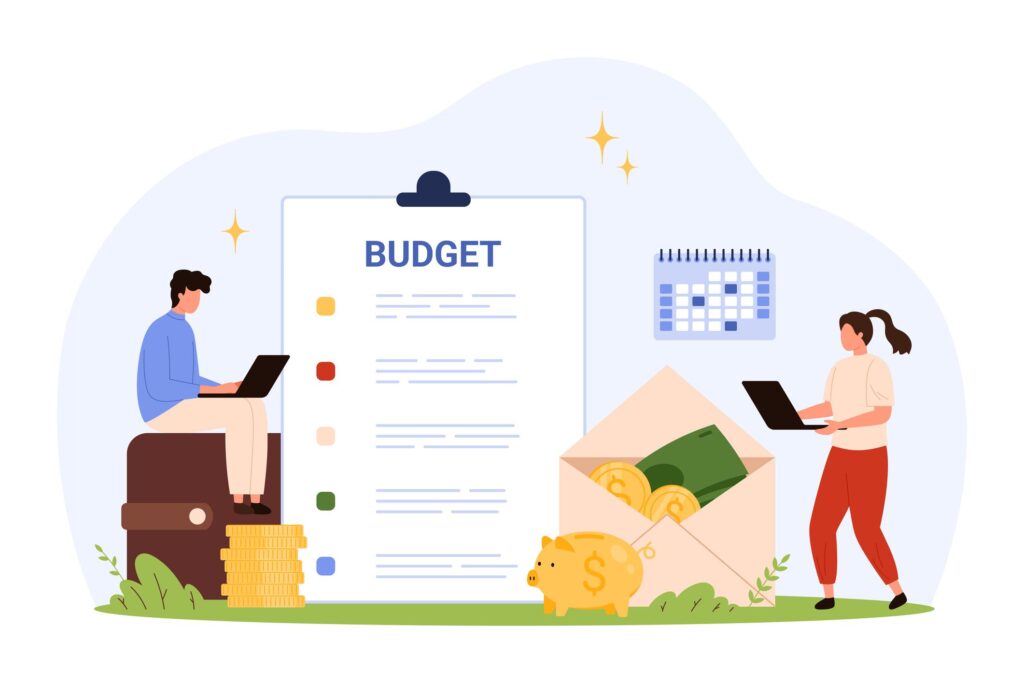
Every day we make decisions about how to use our money and time. Should we save money or spend it? Should we buy something now or wait until later? These small choices are actually economic decisions. Economics teaches us how to think logically about these choices and understand the trade-offs involved. For example, when we choose one option over another, we give up something else—this is known as opportunity cost.
Understanding Why Prices Change
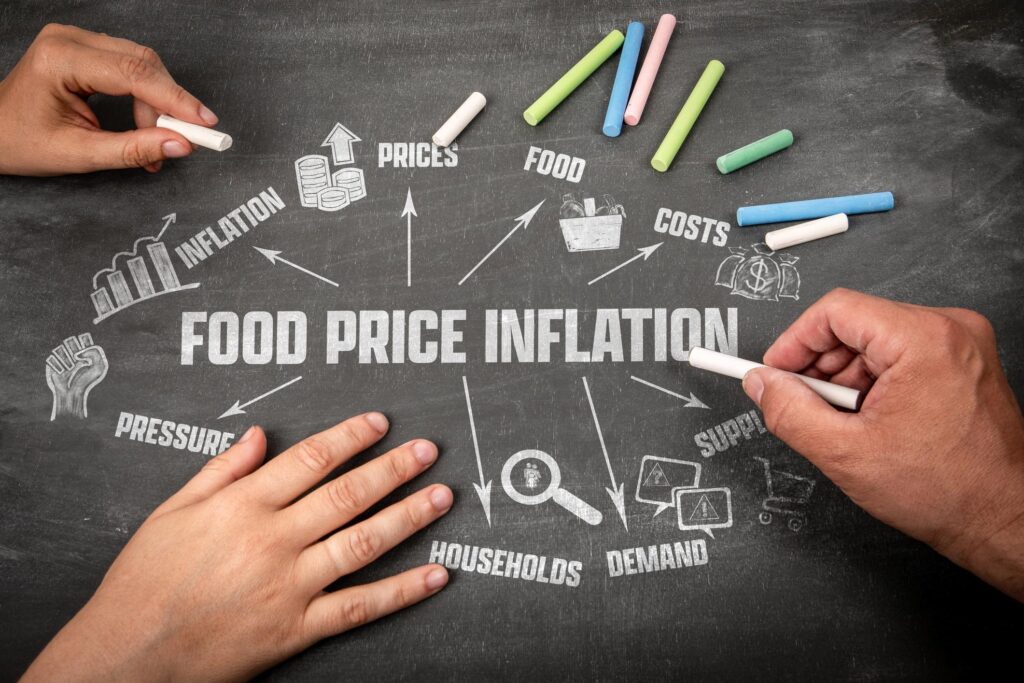
Have you ever noticed that the prices of everyday items like vegetables, fuel, or clothing sometimes increase? Economics helps explain why this happens. One of the most basic ideas in economics is demand and supply. When more people want a product but there is limited supply, prices usually rise. Similarly, inflation can also cause the overall cost of living to increase. Understanding these concepts helps us make sense of what is happening in the market around us.
The Role of Government in the Economy
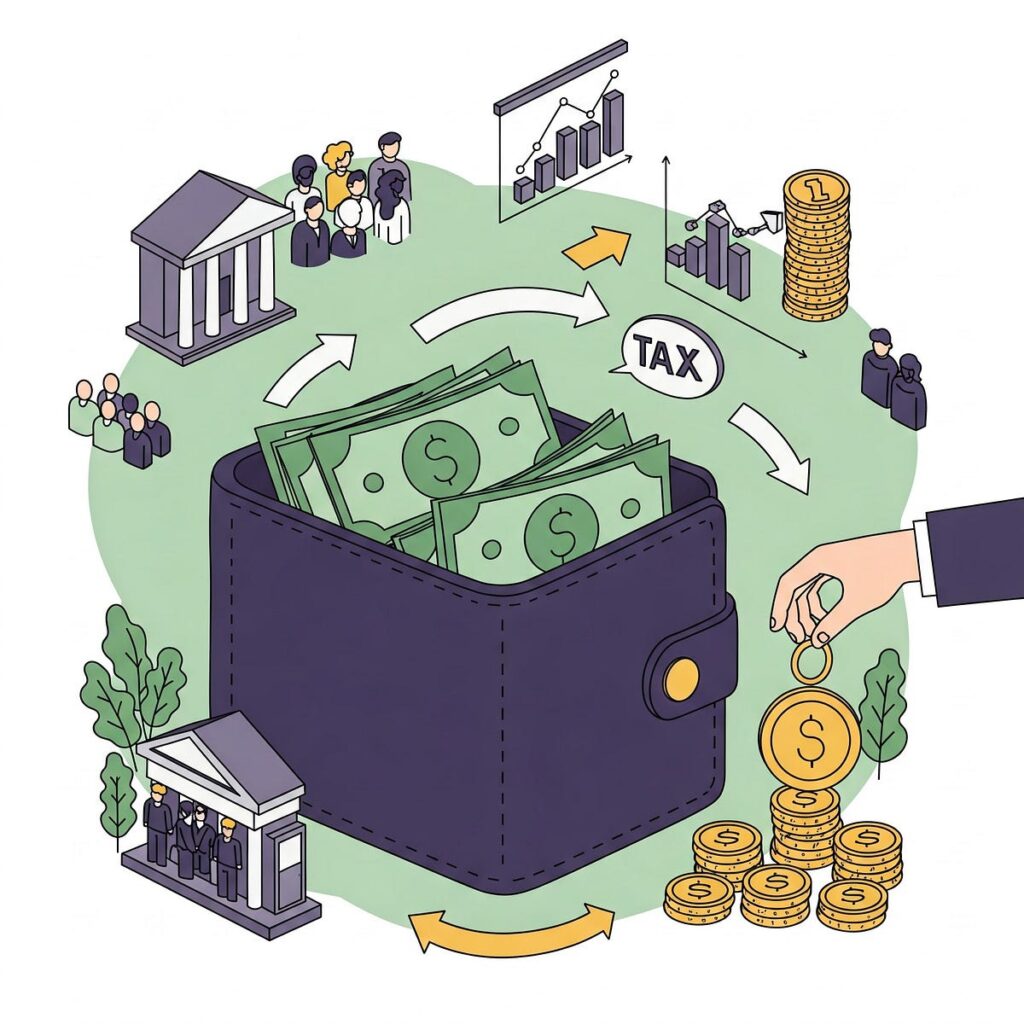
Government decisions also play a major role in the economy. Policies related to taxes, public spending, employment programs, and interest rates all affect people’s lives. These policies can influence job opportunities, business growth, and even the prices of goods and services. Economics helps us understand how these policies work and how they impact society as a whole.
Economics Is About Everyday Choices
Economics is not just about big financial systems or national economies—it is also about everyday decision-making. Whether it is managing household expenses, choosing between two products, or planning for future savings, economic thinking helps us make more informed choices.
Conclusion
In simple terms, economics helps us understand how the world around us works. It explains how people make decisions, how markets function, and why prices change. By learning basic economic concepts, individuals can make smarter financial decisions and become more aware of how economic forces shape their daily lives. In today’s fast-changing world, understanding economics is not just useful—it is essential.